"The pain that is in you is in me. And the one who understands this — that is the true companion in pain." — Rumi
In Farsi, the word ham means together, shared, joint. The word dard means pain.
Hamdard is not just a word. It is a psychological experience. It is an emotional experience that heals the wounded soul, the psyche, the very existence of a being. It is someone sitting beside you — not rushing you through the pain, not needing you to be okay before you are ready — but simply saying: I am not going to let you do this alone. Let's share this together.
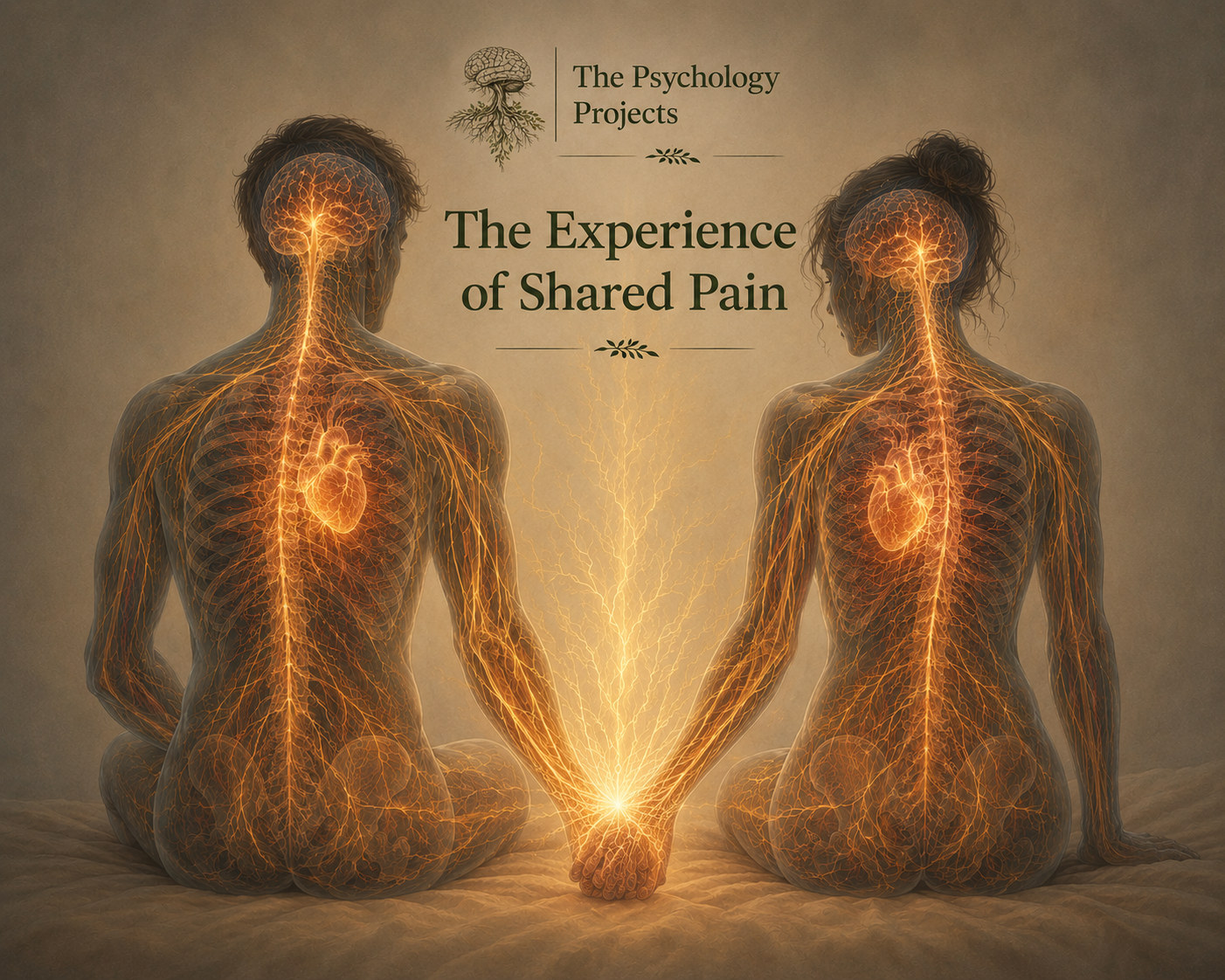
When a hamdard sits beside you, your cortisol drops. Your oxytocin rises. Your nervous system shifts out of survival mode. Your immune system responds. Science calls it co-regulation. Persians called it hamdard. Thousands of years before the research existed.
And that act alone — that singular act of not leaving — lifts the human spirit.
There is a beautiful level of healing that happens when another human being simply witnesses your pain without judgment. Not trying to escape it. Not trying to intellectualize it. Not trying to pathologize it. Just sitting beside you long enough for your nervous system (to learn more about the nervous system, click here) to realize:
"I am not alone in this moment."
That kind of presence changes people.
Not because the pain disappears, but because the loneliness surrounding the pain begins to dissolve.
Empathy and Hamdard are not the same thing
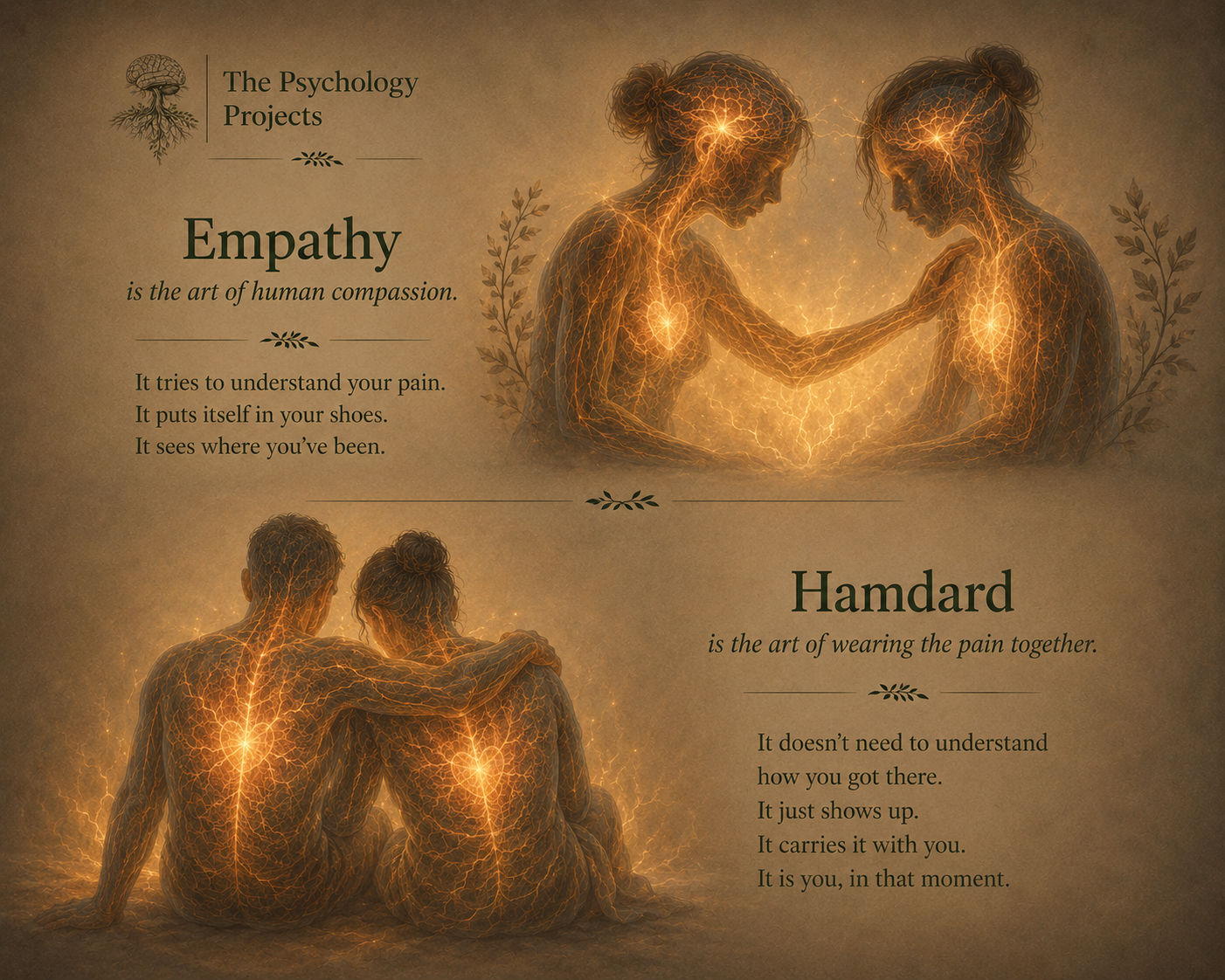
Empathy will try to understand your pain. Hamdard will carry it with you
Empathy is one of the most important psychological capacities a human being can possess. A good therapist, psychologist, psychiatrist, or healer will try to understand another person's emotional world. Empathy is the art of human compassion.
But Hamdard is different.
Hamdard is not simply understanding pain. Hamdard is sharing the emotional weight of the moment with another human being. It is emotional companionship. It is witnessing. It is presence.
It is somebody saying:
"Give me your hand. Let's survive this together."
The Human Need for Belonging
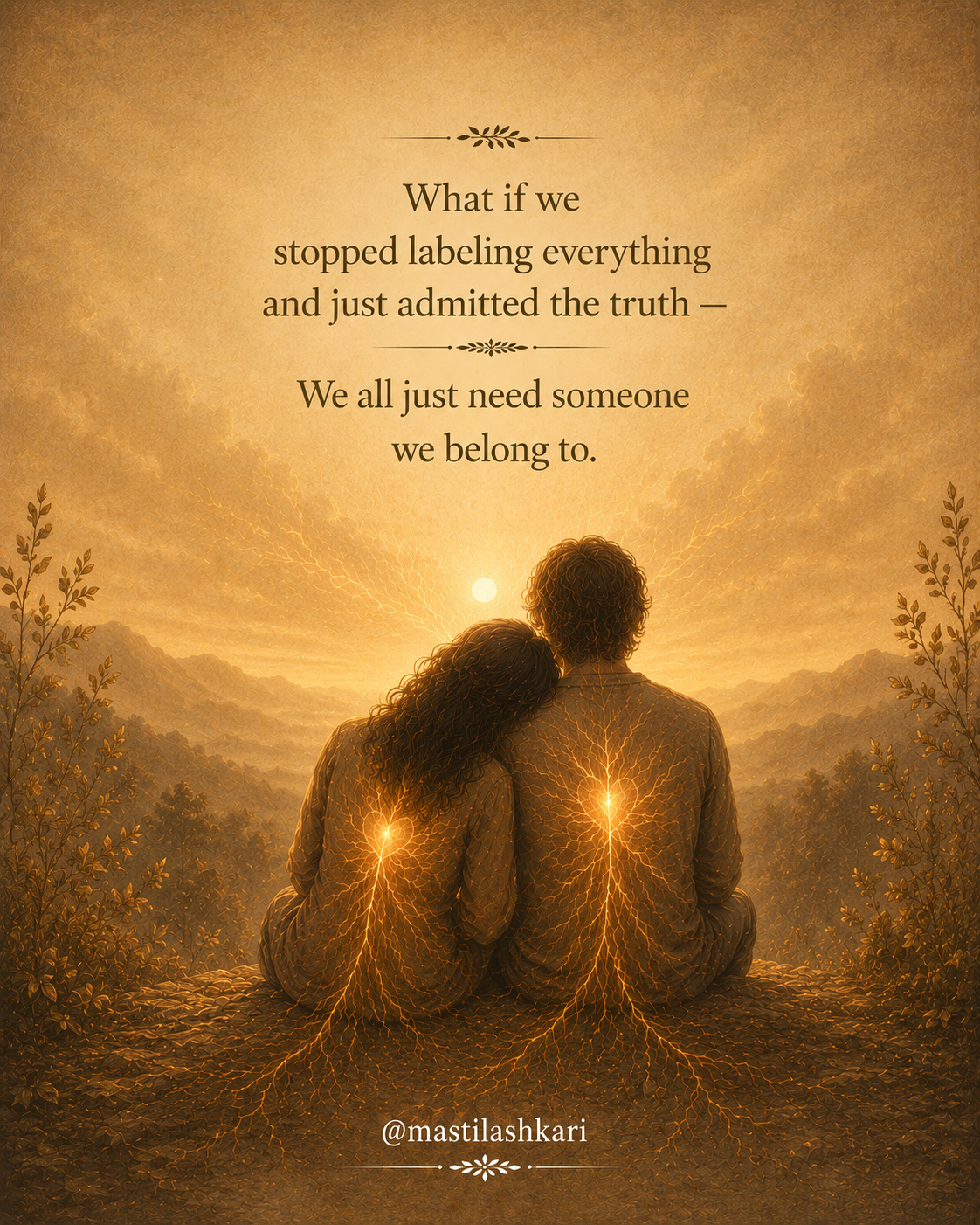
We have become so fluent in therapy language that we forgot the most basic human need. Not a diagnosis. Not an explanation. Just someone who stays.
Belonging is one of the deepest psychological needs human beings have. One of the greatest struggles people carry throughout life is the question:
"Where do I belong?" "Who can hold the truth of me without trying to erase it?"
Hamdard answers that question through presence.
When we are in pain, shame moves in. The voice that says something is wrong with me. I am not strong enough. I am too much. And when someone sits beside you — not rushing you, not fixing you, not flinching — our internal world shifts. You stop feeling alone in it. And in that moment, belonging is created. Not the belonging of a place or a group. The belonging that comes from being truly witnessed by another human being. That feeling — that sense of I am not carrying this alone — is itself a form of healing.
And this is the part of psychology modern emotional culture has failed to understand.
People today know therapy language. They think they know attachment styles. They know how to say "toxic," "triggered," and "trauma-bonded." But many no longer know how to simply sit beside another human being in pain without trying to analyze them, diagnose them, fear them, or run from them.
The phrase "trauma bonding" has become a trend online, and unfortunately, many people using it do not even understand what trauma actually is.
Sometimes, two people are not trauma-bonded.
Sometimes two human beings are simply trying to survive together.
There is a difference between emotional manipulation and emotional companionship.There is a difference between unhealthy dependency and shared human suffering.
I have lived a life where people shared my pain with me. I have also lived a life where people took advantage of my pain.
I have sat beside people when I did not have the capacity to hold what they were carrying. And I have also sat beside someone and shared the weight of their suffering.
The connection created in those moments is difficult to explain unless you have experienced it yourself.
Because when someone truly shows up for you emotionally, something inside your soul softens.
You stop feeling invisible. You stop feeling insane. You stop feeling isolated inside your own suffering.
And maybe that is what every human being is truly searching for beneath all this language about healing.
Not perfection. Not performance. Not optimization.
Just someone saying:
"I'm here."
Poets such as Rumi and Hafez understood this thousands of years ago.
The essence of their poetry was centered on concepts such as Hamdard.
Their words survived for centuries not because they sounded beautiful, but because they witnessed the human condition emotionally. Their poetry sat beside grief, longing, heartbreak, exile, love, suffering, shame, and human contradiction without trying to dominate them.
That is why their words still move people centuries later.
For thousands of years, concepts such as Hamdard helped preserve Persian emotionality, Persian humanity, and Persian identity through war, exile, oppression, grief, and psychological fragmentation.
The Persian culture has survived 47 years of psychological abuse, oppression, and exile — because people were once taught to show up for one another. To recognize themselves in each other's pain. That is what kept a culture alive.
That is what poets protected.
And that is what we are losing now.
We are becoming emotionally overeducated but relationally starved.
We know the language of healing, but many of us no longer know how to emotionally accompany another human being through pain.
And healing was never meant to be carried alone.
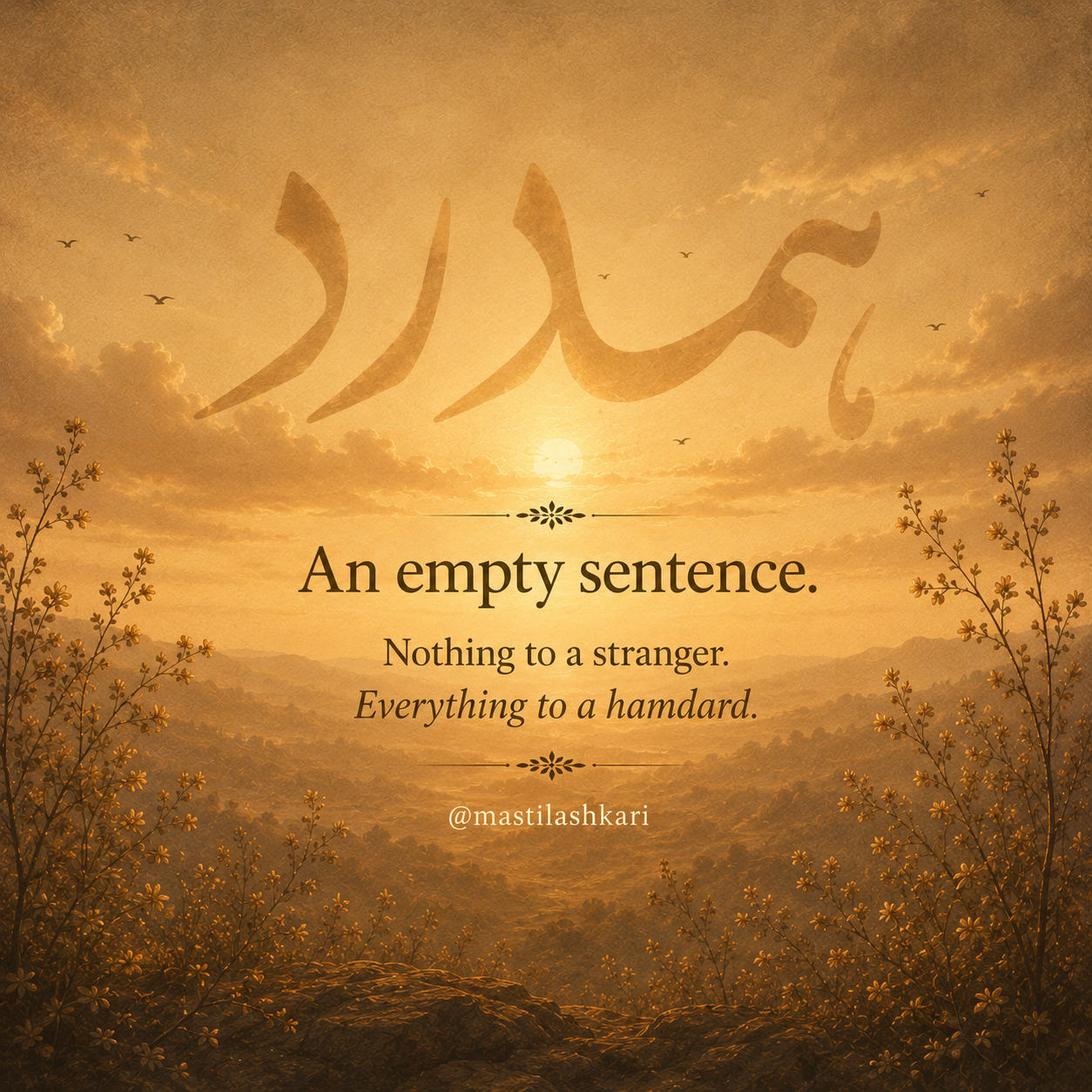
An empty sentence. Nothing to a stranger. Everything to a hamdard.